Our Services
Surgical Procedures
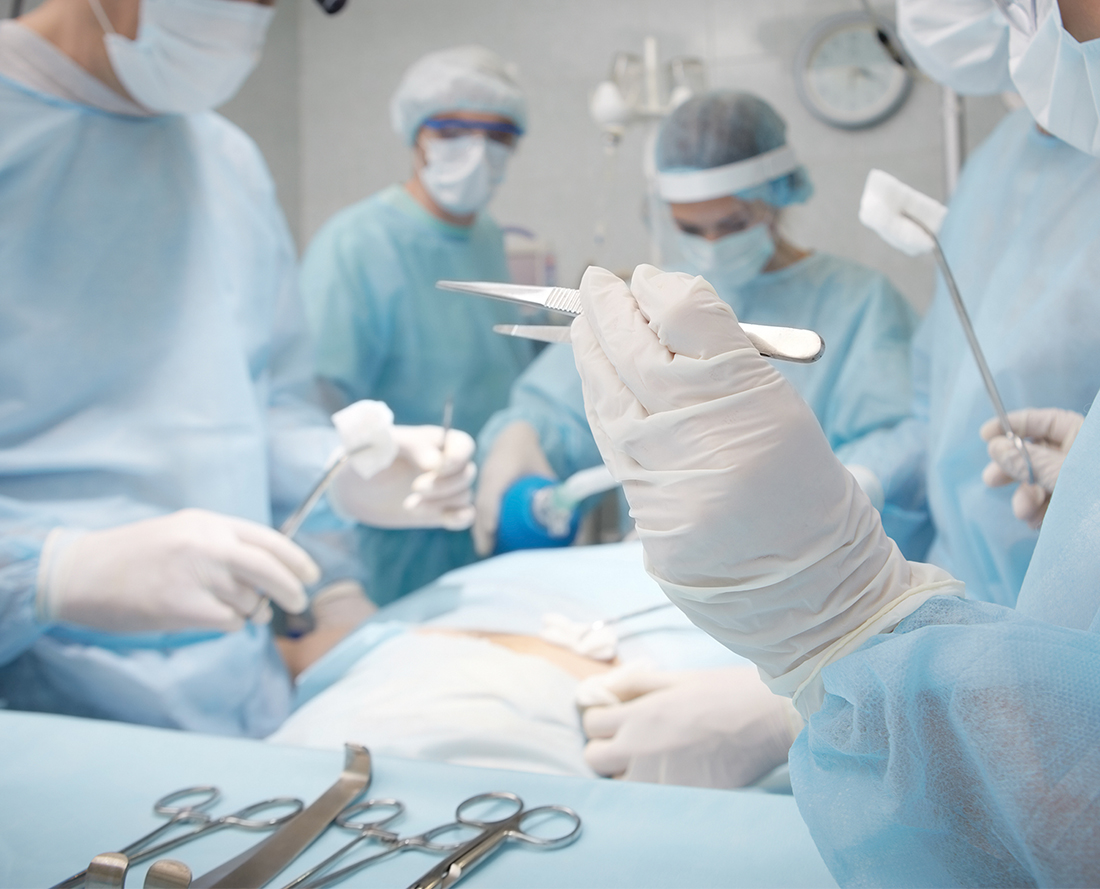
From minimally invasive day procedures to complex reconstructive surgery, our team delivers exceptional, evidence-based outcomes.
Rhinoplasty
Rhinoplasty is surgery to reshape the nose, performed for functional reasons, cosmetic reasons, or both. Functional rhinoplasty is required when a patient has significant breathing problems - the goal is to improve the nasal airway and it usually doesn't cause much alteration in the appearance of the nose. Cosmetic rhinoplasty reshapes the nose while maintaining structure; individual goals vary greatly so it is important to discuss your goals with your surgeon. Our surgeons use open structured rhinoplasty techniques to ensure results that last.
- Performed for functional breathing improvement, cosmetic reshaping, or both
- Functional rhinoplasty improves nasal airflow with minimal change to appearance
- Common cosmetic goals: removal of a hump, smaller nose, refinement of tip, better profile, straighter nose
- Cosmetic and functional rhinoplasty can be performed together
Functional Endoscopic Sinus Surgery
Functional Endoscopic Sinus Surgery (FESS) is performed through the nostrils to open up the sinuses. Significant advances in imaging, instrumentation, anaesthesia, and post-operative care have led to greatly improved outcomes. Patients suitable for FESS have usually had a trial of medical therapy first. Modern technique focuses on opening all diseased sinuses to create a functional sinus cavity. Nasal packing is not used in most cases and same-day or overnight discharge is standard.
- Performed entirely through the nostrils - no external incisions or scarring
- Focuses on opening diseased sinuses and creating a functional sinus cavity
- Intra-operative image guidance used in some cases for thorough clearance
- Nasal packing not used in most cases - significantly improved post-operative comfort compared to older techniques
Grommets
Grommets (ventilating tubes) are inserted into the eardrum to allow air into the middle ear. In children this is done under a general anaesthetic and they go home approximately one hour after the procedure. In adults, grommets can be inserted under local anaesthetic in the rooms. Grommets are designed to stay in place for 6–9 months before falling out naturally, after which the hole in the eardrum closes on its own.
- Indications: more than 4 ear infections per year, or fluid in both ears for 3 months (one ear for 6 months), or speech delay
- Children: general anaesthetic, home approximately 1 hour after procedure
- Adults: can be performed under local anaesthetic in the rooms
- May produce an immediate improvement in hearing and speech quality in children
Adenotonsillectomy
Adenotonsillectomy is the surgical removal of the tonsils and adenoids, most commonly performed in children with snoring or obstructive sleep apnoea. Children who snore every night are not getting appropriate quality sleep and adenotonsillectomy is recommended. After the operation it is very important that your child drinks enough fluid as dehydration is a real risk. The main risk of this procedure is post-operative bleeding, and it is important to stay within one hour of a hospital during recovery.
- Indicated for children with nightly snoring or signs of obstructive sleep apnoea
- Bringing a video of your child sleeping to the appointment can assist assessment
- Post-operative hydration is essential - child must go to the toilet at least 3 times per day
- Pain relief: Panadol and Nurofen (ibuprofen). Do NOT use Painstop or codeine
Septoplasty & Turbinoplasty
Septoplasty and turbinoplasty is the most common procedure for nasal obstruction. Septoplasty carefully lifts the inner lining of the nose to remove or straighten the bent cartilage through a small internal incision - there is no bruising or swelling to the face. Turbinoplasty reduces the inferior turbinate bones. The procedure is performed under general anaesthetic and takes approximately 60 minutes. It is more than 90% effective for significantly improving nasal obstruction.
- Internal incisions only - no external bruising or swelling to the face
- Approximately 60 minutes under general anaesthetic
- More than 90% effective for significantly improving nasal obstruction
- Same-day discharge is often possible
Laryngoscopy
Laryngoscopy is performed to examine the larynx (voice box) under a general anaesthetic, and can include excision of lesions or biopsy of tissue. This procedure is performed as a day stay.
- Examination of the larynx under general anaesthetic
- Can include excision of lesions or biopsy of tissue
- Day stay procedure
Skin Cancer Removal
Removal of skin cancers is performed by excising the lesion with a cuff of normal tissue around it, which significantly reduces the rate of recurrence. Smaller lesions are done under local anaesthetic; larger cancers may require a general anaesthetic. Closure is achieved by direct suture, local flaps, or complex reconstruction where needed. Recovery depends on the nature of the operation - simple excisions allow return to work the following day.
- Local anaesthetic for smaller lesions; general anaesthetic for larger cancers
- Procedure takes from 20 minutes to several hours depending on size and complexity
- Lesion removed with a cuff of normal tissue to reduce recurrence
- Closure by direct suture, local flaps, or complex reconstruction using tissue from elsewhere
Snoring Surgery (UPPP)
Uvulopalatopharyngoplasty (UPPP) is a surgical procedure to remodel the uvula, soft palate, and throat to reduce snoring and obstructive sleep apnoea. It is performed under general anaesthetic with local anaesthetic also injected during surgery, which wears off after approximately 10 hours. Pain is most significant in the first few days. A minimum of 3 litres of water daily is required during recovery, and two weeks off work is recommended.
- Remodels the uvula, soft palate, and throat tissue
- General anaesthetic; local anaesthetic also injected during surgery (wears off ~10 hours)
- Minimum 3 litres of water daily during recovery
- Two weeks off work recommended
Head & Neck Oncology
Cancers of the head and neck are the sixth most common malignancy worldwide. They can arise from the skin or the internal lining of the mouth, nose, sinuses, throat, or airway, as well as from the parotid, submandibular, and thyroid glands. Successful treatment relies on the expertise of your surgeon and a coordinated multidisciplinary approach. It is imperative to seek medical attention if you have any concerning symptoms, as early detection is key to improved outcomes.
- Symptoms to be aware of: non-healing ulcers, painful or difficult swallowing, change in voice, lump in the neck
- Risk factors: excessive sun exposure (skin cancers), tobacco and alcohol (oral and throat cancers), certain viruses (some head and neck cancers)
- Surgery includes resection of skin and mucosal cancers, removal of cancerous neck lymph nodes, and cancers of the salivary glands and thyroid
- Transoral robotic surgery (TORS) available at Gold Coast Private Hospital and John Flynn Private Hospital
Not sure which procedure is right for you?
Our specialists will assess your condition and recommend the most appropriate treatment. Start with a referral from your GP.
Book an Appointment